
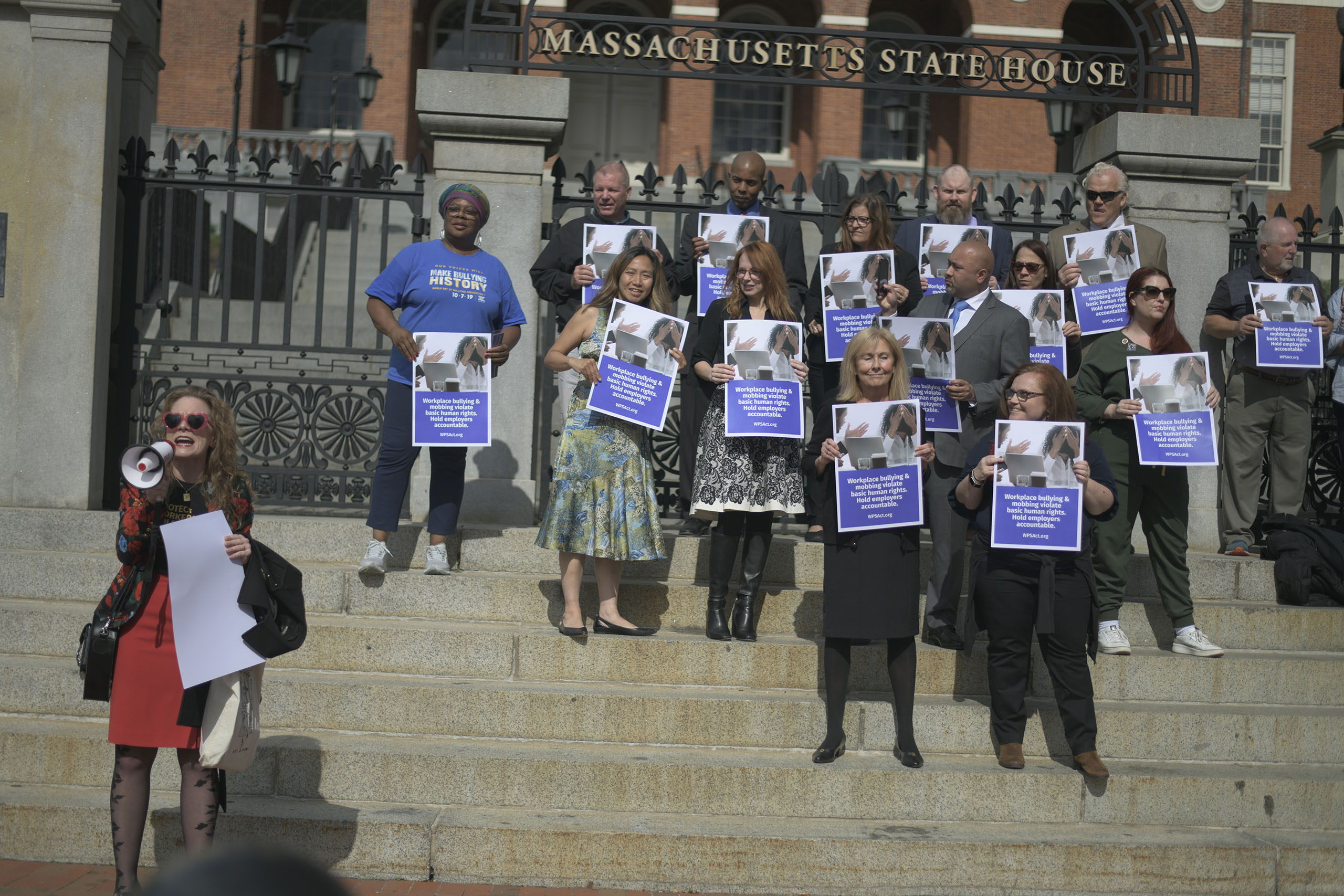
We believe all people
deserve to work in
psychologically safe environments
Psychological safety should be a priority.
Our mental health depends on it.
#EndWorkplaceAbuse
how to stand up to
workplace abuse
Workplace abuse is far more common than acknowledged, yet navigating it can feel isolating and impossible—something even an experienced HR chief learned when targeted by her own CEO.
Traditional channels like legal counsel and the board failed her, leaving her alone in a hostile environment and forced to find her own way forward.
In response, she created the FEAR NOT Framework, a practical seven-step approach designed to help employees regain control: manage fear, gather evidence, articulate a clear and professional complaint, show resolve amid retaliation, navigate investigations wisely, seek leverage from outcomes, and finally, tell their story to break the silence that enables abuse.
The message is clear: you are not powerless.
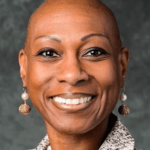
We DEMAND justice for bonnie
For months, Dr. Antoinette “Bonnie” Candia-Bailey documented and reported bullying of President John Moseley to the proper workplace authorities, including the Board of Curators who oversee the President at Lincoln University in Missouri where she served as the Vice President of Student Affairs — to no avail.
On January 8, 2024, 49-year old Dr. Candia-Bailey took her own life, attributed to workplace abuse — reported bullying and the institutional complicity that not only disregarded her complaints but also escalated the abuse to purge her from the payroll to avoid a perceived threat of liability.
President Moseley took paid leave during Lincoln’s “investigation,” in which a third party found no liability on the university’s end, what many might call an “investigation” on themselves. President Moseley was reinstated.
On October 8, 2025, End Workplace Abuse will send an open letter to Lincoln University President John Moseley and the Board of Curators demanding accountability for the death of Dr. Antoinette “Bonnie” Candia-Bailey, the university’s former Vice President of Student Affairs.
The letter — backed by more than 1,200 student, alumni, educator, and community signatures — calls for Moseley’s removal, the resignation of the Board, an independent investigation, and sweeping institutional reform.
“Dr. Candia-Bailey asked for help. She was reportedly denied. Days later, she was gone,” the letter reads. “This was not just a personal tragedy — it was an institutional failure.”
Advocates say the demands at Lincoln reflect a broader call for accountability at all institutions where bullying and neglect are allowed to persist unchecked.
as seen in







All people —
regardless of their gender, race, disabilities,
sexual orientation, gender identity,
age, income, faith, religion, and political affiliations –
deserve to lead healthy and productive lives
and to work in psychologically safe environments
free from abuse and oppression.
Governments regulate the environmental safety of the workplace, but who’s making sure the mental health of U.S. workers is protected? The short answer is no one.
Without any form of employer accountability, workplace bullying and the institutional complicity of disregarding complaints has become standard operating procedure in the majority of workplaces. It is the largest exploitation of employees to occur in the U.S. since the Occupational Safety and Health Act of 1970 was enacted a half-century ago.
The U.S. has the worst record among major developed countries when it comes to workers’ rights. The International Trade Union Confederation’s 2022 Global Rights Index indicates 65 major developed countries have fewer systematic violations of workers’ rights than the U.S.. Employers are powerful entities that need to be held accountable for toxic work environments.
Bullying and the deviant management practices of disregarding complaints have been identified as psychosocial hazards:
- Established by the Occupational Safety and Health Administration and part of the Centers for Disease Control and Prevention (CDC) in the Department of Health and Human services, the National Institute of Occupational Safety and Health (NIOSH) is a research agency focused on the study of worker safety and health. NIOSH defines psychosocial hazards as factors in the work environment that can cause stress, strain, or interpersonal problems for the worker and defines bullying as unwanted harmful actions to humiliate, offend, harm, undermine, or degrade and can cause lasting physical and psychological damage.
- Recently, the U.S. surgeon general released a new framework for mental health & well-being in the workplace, and the American Psychological Association tracked the five essentials of the framework in its 2023 Work in America Survey.
Our government recognizes behaviors as hazardous and detrimental to human well-being, yet there are no protections in place. Employees who are targeted by a bully and later victimized by their employer often incur significant mental and physical health harm as well as incalculable financial devastation.
Currently, our governments only hold employers accountable for sexual harassment and discrimination. And not very well at that as the #MeToo and Black Lives Matter movements demonstrate. In discrimination cases, only those who can prove discriminatory intent, an almost impossible threshold, have protections. What about those who are in a protected class (think sex, race, or age) who can’t prove discriminatory intent? And what about the others who endure the same abuse but are in the same protected class as their abusers? The short answer: there is no legal recourse.
Women’s suffrage. Civil rights. Gay marriage. Throughout U.S. history, movements have been the tool we’ve used to make social progress.
Our collective power is what will move the needle on creating psychologically safe workplaces free from abuse and psychosocial hazards. We’re building a movement advocating for psychological safety at work so workers can do the jobs we were hired to do — free from abuse of power.
We need humanity in the employer/employee relationship. We will accept nothing less than our basic human rights at work. Respect. Dignity. Equality. Fair process. We won’t stop until employers are held accountable for psychological safety. End Workplace Abuse strives to protect and promote workers’ right to psychological wellness, critical to physical health, by advocating for the elimination of hazardous behaviors and practices from the American workplace.
We’re organizing and leading a collective movement demanding psychological safety at work. While we lobby for protective legislation and policies, we simultaneously raise public awareness about the danger of these toxic work environments. We build leaders who campaign for abuse-free workplaces and collaborate with other organizations advancing workers’ rights. Because bias and prejudice are often an integral part of workplace abuse, we advocate for protections against discrimination. And it doesn’t stop there.
We’ve identified more than 20 other protections fought for across the country that center employee well-being and will make our workplaces safer.
We can change the workplace together.
Survivors of Workplace Abuse
Bill of Rights
We’re committed to ensuring that all workers are guaranteed working environments in which they’re treated with dignity, an inherent basic right. Every worker deserves to feel:
- Safe. Workers deserve a workplace free of verbal abuse, threats, sabotage, and abuse of any kind.
- A sense of belonging. Workers deserve a right to feel like we are included in an organization and part of a team.
- Valued. Workers deserve a right to feel like our contributions have worth and importance.
- Respected. Workers deserve a right to dignity and have our human needs and individual strengths and weaknesses honored.
- Healthy. Workers deserve a right to feel strong. We deserve a right to work in environments that promote well-being.
- Accomplished. Workers deserve a right to information and resources necessary to do our jobs well so we can feel productive.
- Supported. Workers deserve a right to feel heard and have our needs addressed when we voice concerns.
- Fairly treated. Workers deserve a right to reasonable expectations and similar standards for our colleagues.
- Empowered. Workers deserve a right to have power and control over our work for confidence and strength.
- Part of a greater purpose. Workers deserve a right to play a meaningful role in the reason our organizations exists.
the history of employee rights to psychological safety

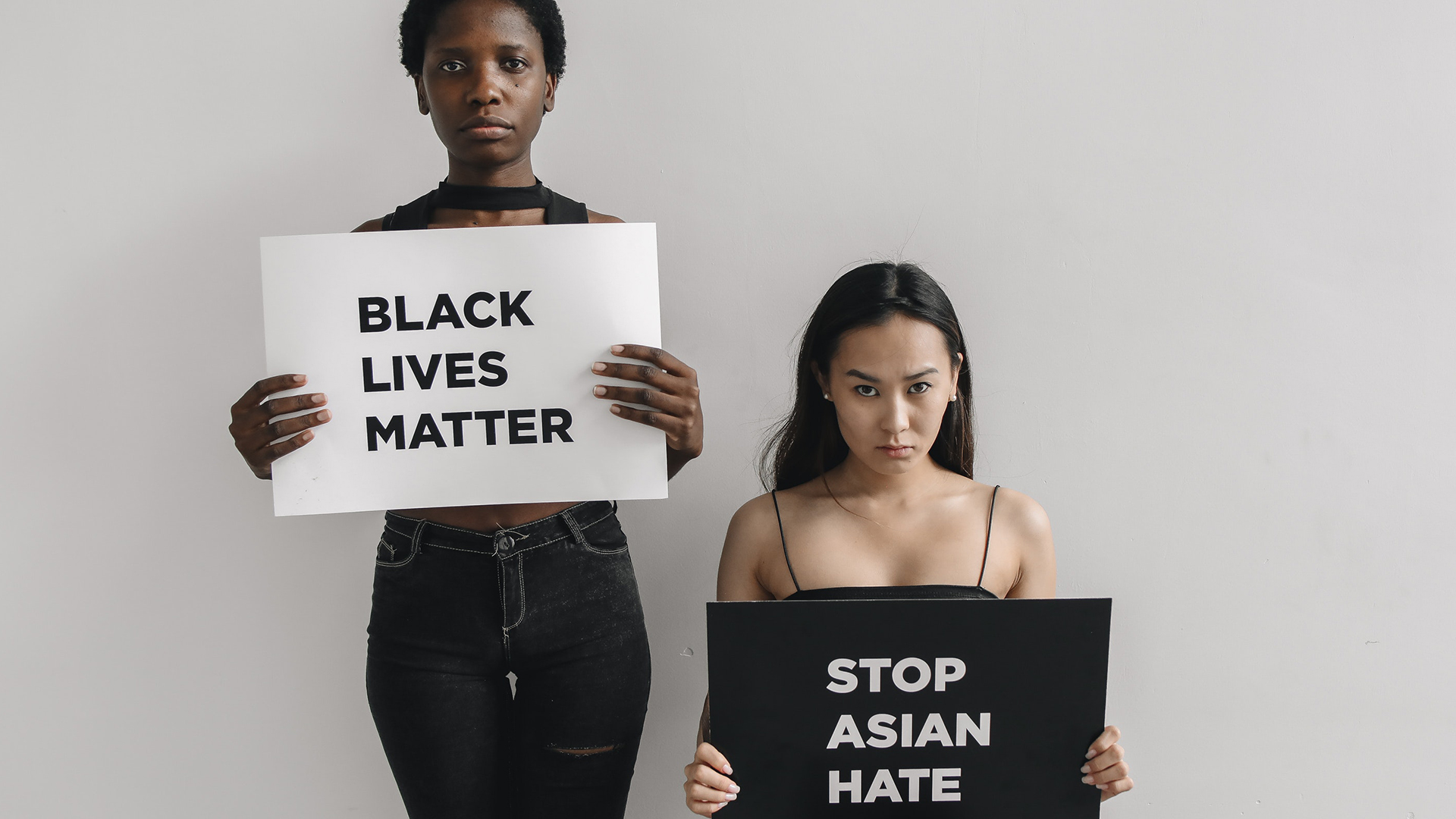

It’s time
to end the abuse.